
Reduce your environmental footprint thanks to reusable cotton
Reusable cotton: a simple choice to reduce your environmental footprint
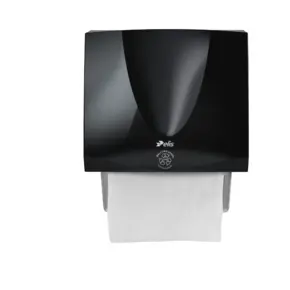
The reusable hand‑drying model has a lower impact than single‑use solutions because a single cotton roll can replace more than 30 000 paper sheets and be used 100 times before being recycled.
Thanks to its circular model, CO₂ emissions can be reduced by 60%, and waste generation by 95%. And while the cotton solution consumes 2,5 times more water than paper, 95% of this consumption comes from cotton manufacturing, with only the remaining 5% linked to the washing of the cotton rolls.
These figures come from a Life Cycle Analysis (LCA) conducted in 2025, a scientific and internationally proven methodology. In practice, this means less waste to manage and a solution that better aligns with your CSR commitments.
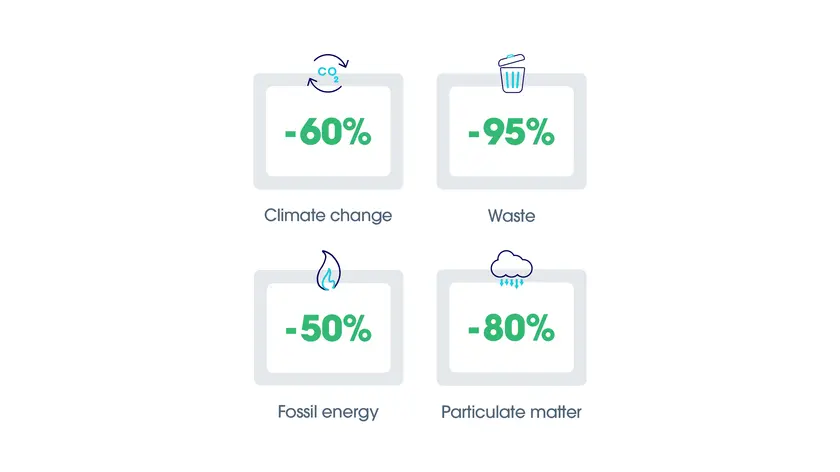
Did you know? Cotton still has a lower environmental impact than recycled paper — with 45% fewer CO₂ emissions, 35% less fossil energy use, and 95% less waste. •
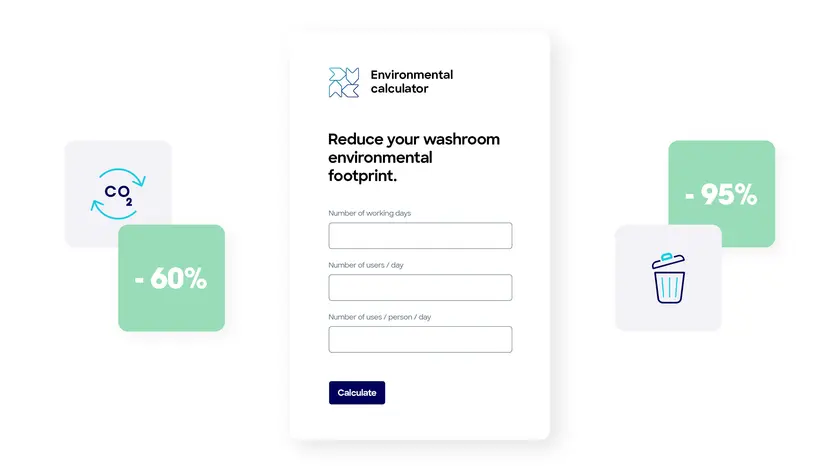
Compare the impact of your hand‑drying solutions in just one click
Elis provides an online environmental calculator to help you estimate the benefits of choosing reusable cotton. You can get your results instantly and download them as a PDF.
Discover how cotton rolls can reduce your CO₂ emissions, waste generation, or fossil resource consumption.
Cotton vs. paper LCA, explained in images
One minute to understand why cotton makes a real difference compared to paper in your washrooms.
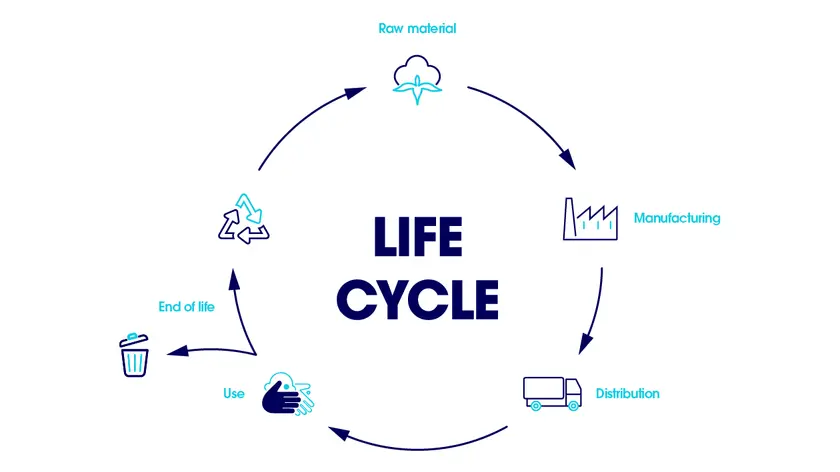
Understanding LCA: a complete view of a product’s impact
Life Cycle Analysis (LCA) measures the environmental impact of a product at every stage: raw material extraction, manufacturing, transport, use, and end of life.
This scientific methodology, governed by international standards (ISO 14040/44), provides a precise and objective assessment. It relies on recognised databases (Ecoinvent 3.11, PEFCR 3.1, ADEME) and includes an independent critical review (ISO 14070) to guarantee the robustness of the results.
The analysis confirmed that the cotton roll, integrated into Elis’ circular service model based on rental‑maintenance, represents a significantly more sustainable alternative to single‑use paper.
Which methodology for this LCA ?
The LCA “Drying a pair of hands with cotton versus paper” underwent a critical review compliant with ISO 14071, conducted by an independent expert. It is based on ISO 14040 and ISO 14044 standards and uses the PEFCR 3.1 methodology, ensuring a robust and scientifically proven assessment.
-
Key assumptions
-
Methodological framework
Optimize your environmental impact thanks to Elis cotton solutions

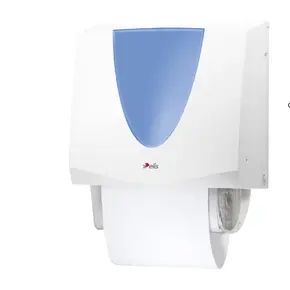
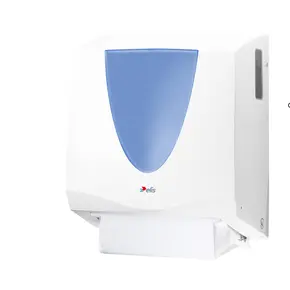
If you need information or a quote for your project, our teams are here to help. Contact us!
*Required fields
Account details