
Our operations
Optimizing the performance of our plants
The Elis Group is constantly working to improve its performance by involving all stakeholders, from equipment design to the day-to-day operation of its plants. This approach is fully in line with the Elis Group's commitment to operational excellence.
In addition to its energy efficiency initiatives, the Group is working to transition its activities to lower-emission energy sources (solar heating, photovoltaic solar panels, use of biomass or biogas, etc.). We therefore favour an approach based on reducing energy consumption through energy efficiency. For example, when drying textiles, mechanical action is more efficient than using heat. Switching from a press to a high-pressure press reduces energy consumption.
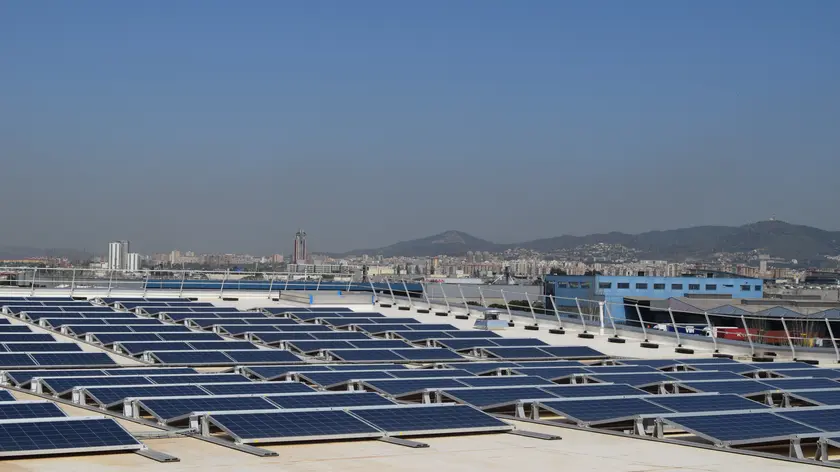
In Barcelona, the roof of our plant is equipped with solar panels that provide 20% of the energy needed for the cleaning stage, reducing CO2 emissions by up to 80 tonnes per year.
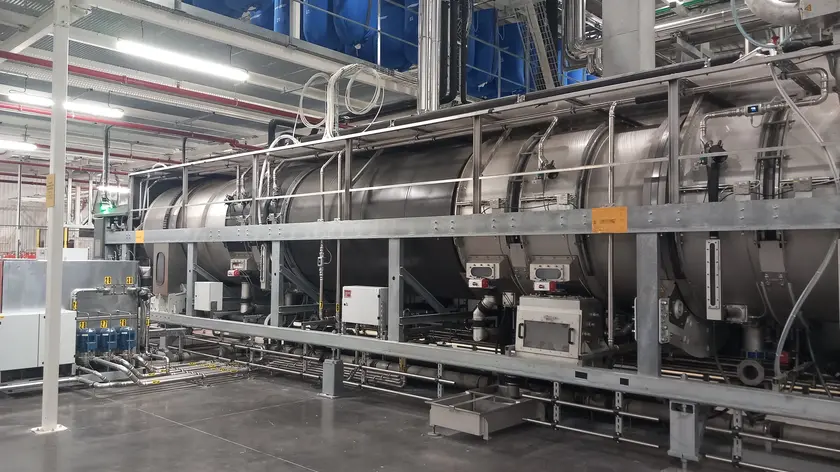
Our production sites are equipped with high-performance technologies. The use of washing tunnels has been widespread: to optimise energy consumption by increasing the amount of laundry processed and promoting water recovery from one stage to the next, where possible. Clean water from rinsing is reused in the pre-wash compartments, saving water, detergent and energy.
Did you know?
100% of our wastewater is treated!
In addition, the Group has a team of chemical, water and energy engineers dedicated to analysing the performance of each Group site in these areas, managing industrial projects to reduce consumption, sharing best practices and rolling out programmes within the Group. The team also monitors new technologies and cross-sector approaches. It works closely with partners who have around 20 technicians specialising in the integration and optimisation of washing processes. An industrial projects team made up of engineers also provides support for the roll-out of investment projects at the sites. Water, energy and chemical performance is reviewed monthly and analysed at each site. Training courses are regularly organised to train site teams in best practices in water and energy consumption. Self-assessment tools have also been developed.
Optimising and transitioning our logistics fleet
Several years ago, the Group implemented an internal tool specifically designed for its logistics teams to facilitate the guidance and optimisation of distribution routes. This initiative is part of a broader strategy to internalise the fleet, thereby enabling better control of operational issues and continuous improvement in the quality of service offered to our customers. Today, 95% of our fleet is operated internally by Elis, reflecting a strong commitment to performance and proximity. In addition, our alternative fleet is rapidly expanding, with more than 500 low-emission logistics vehicles already in use, actively contributing to the reduction of our environmental footprint.
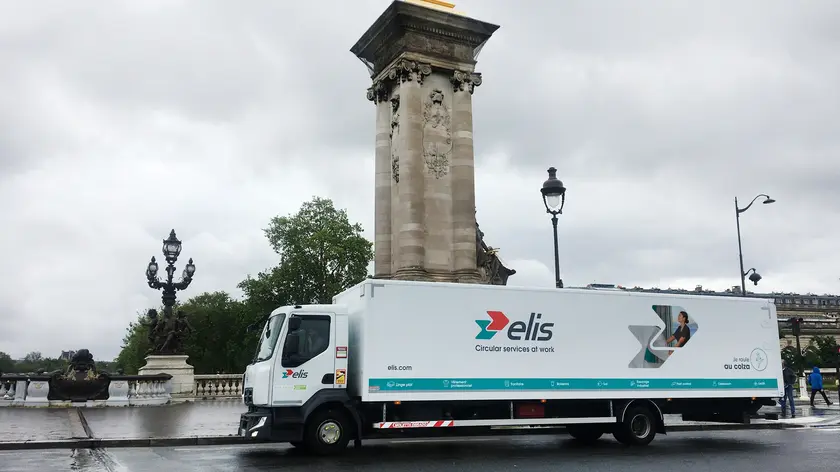
For several years now, we have been accelerating our transition to more sustainable mobility by developing the use of alternative vehicles. By 2024, 99% of our new heavy goods vehicles in France will be low-emission, whether electric or powered by biofuel. In Paris, 50% of delivery rounds are already carried out using electric vehicles.
In Switzerland, 100% electric lorries are already in use. Perfectly suited to urban distribution, these vehicles have a range of up to 420 km, thus contributing directly to the achievement of the Group's climate objectives.
We have also rolled out the use of biofuel made from agricultural waste in several centres. This initiative avoids nearly 2,000 tonnes of CO₂ per year. These vehicles, dedicated to essential deliveries (hospitals, retirement homes, hotels), also allow us to access Low Emission Zones (LEZs).

If you need information or a quote for your project, our teams are here to help. Contact us!
*Required fields
Account details