
Environmental calculator workwear

Limit your workwear environmental footprint
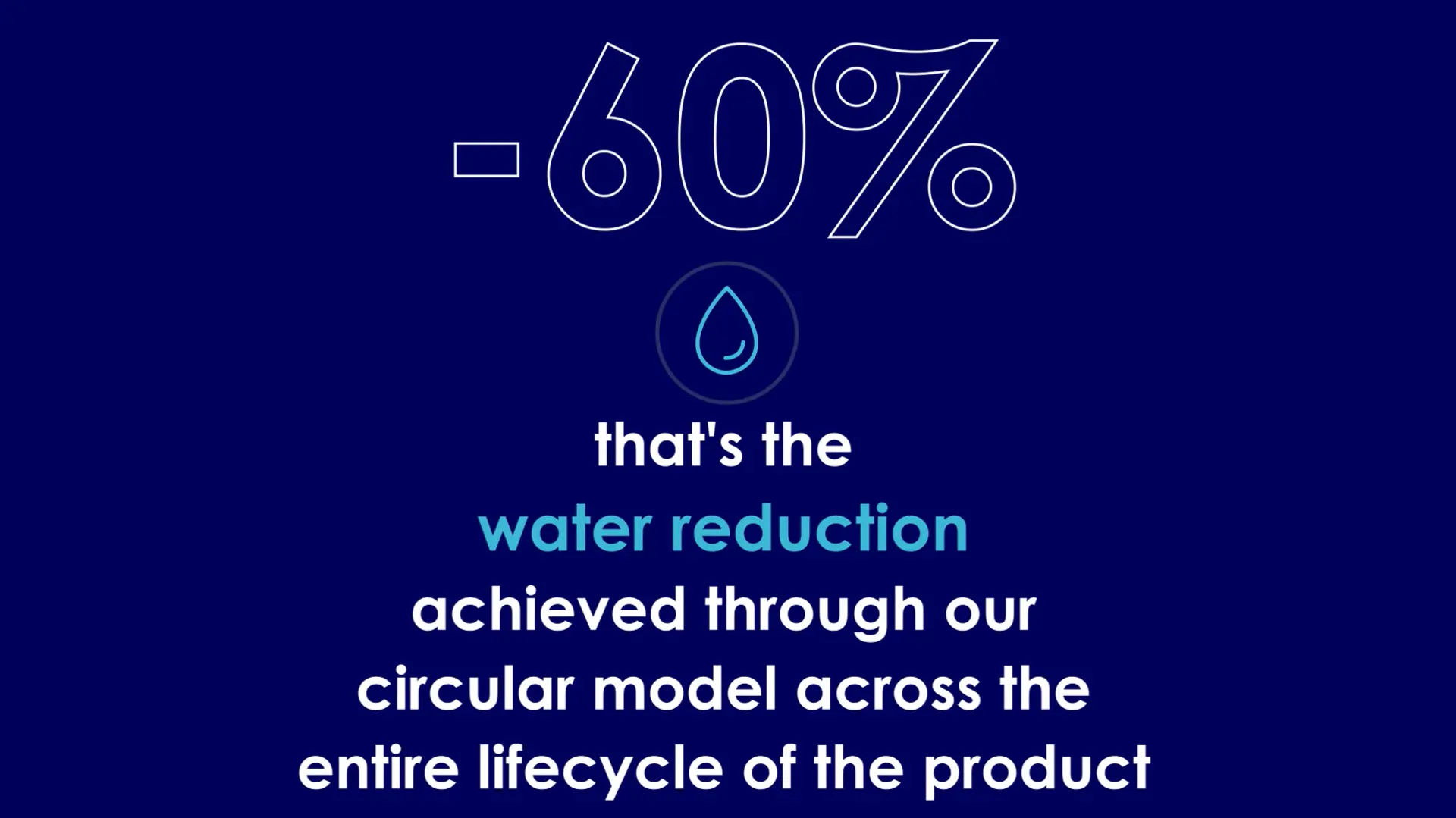

By washing at Elis you will save:
Find out more about the results
The figures are based on a scientific study: a comparative Life Cycle Assessment (LCA) of workwear rental and purchase models. The functional unit of the underlying study is to "provide one wearer with a clean, dry working outfit 5 days per week, every week for 4 years of service".
This calculator is based on this LCA study, and tailors the LCA results to reflect the number of wearers and contract duration entered.
The study underwent a critical review in line with ISO 14071 requirements. The review panel included LCA and washing industry experts.
The underlying study assumes the use of 1 jacket and 2 pairs of trousers per week per wearer.
Sensitivity analyses show that changing the number of garment changes per week or the number of trousers and jackets used per wearer does not significantly change the conclusion and comparative results.
Main assumptions:
- At home: work garments are purchased by the employer and washed separately from personal clothing and tumble-dried. They are automatically renewed.
- At Elis: garments are rented; they are repaired and reused if the employee leaves the company or changes workwear.
Methodology: ISO 14040/14044, Environmental Footprint 3.1 method.
Database: Ecoinvent 3.9.1, ADEME and Elis specific data.
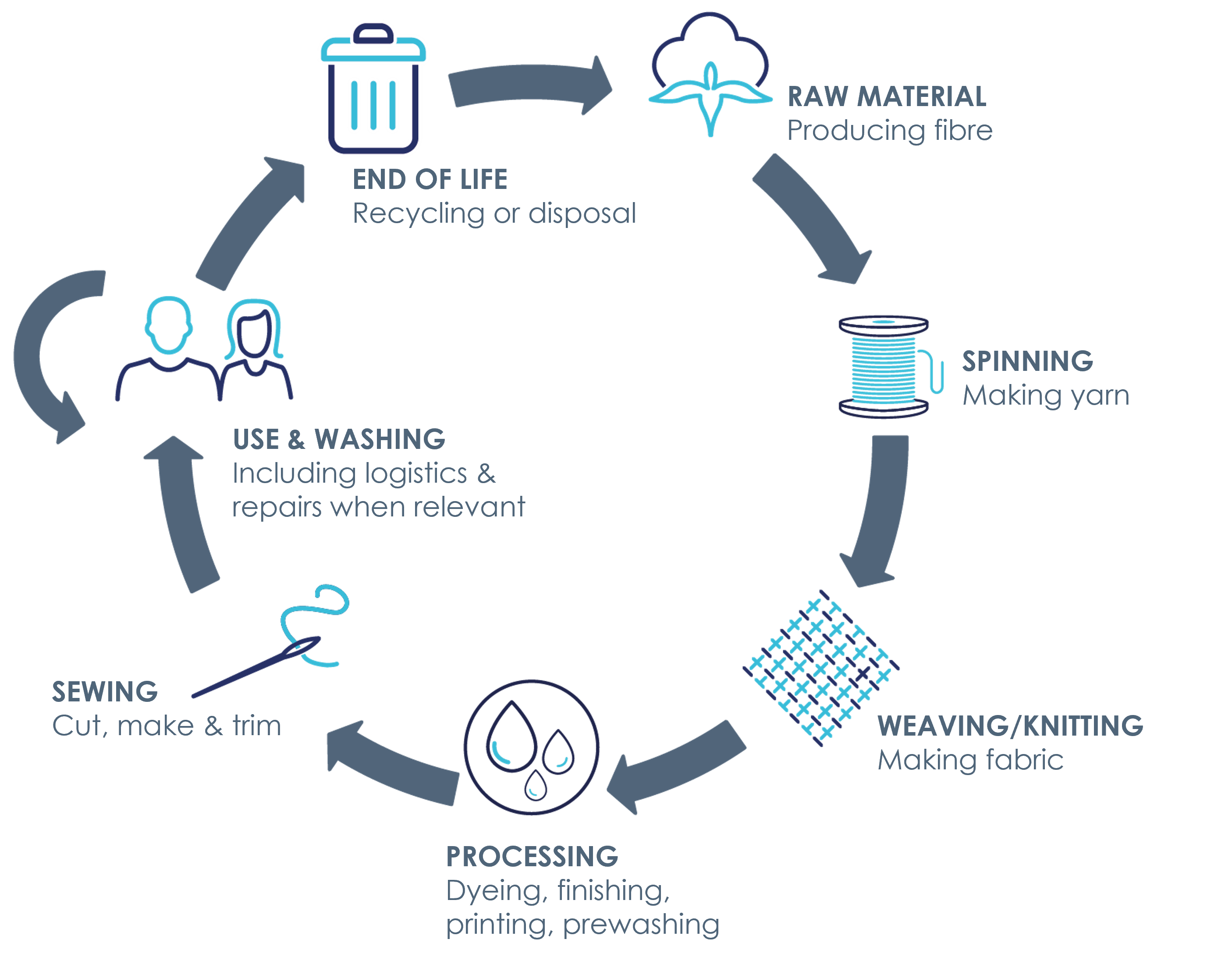
Steps analyzed in the LCA
environmental impact reduction
The results include the full life cycle from raw material to end of life, including the washing process for the reusable solution and come from an ISO 14040 and 14044 LCA that went through a third-party review.
Elis, a leader in circular services, allows businesses to achieve optimal hygiene and protection for their employees and customers. Elis offers its clients products that are maintained, repaired and reused to optimize their usage and lifespan.
Elis is convinced that the circular economy model, which aims to reduce the consumption of natural resources by optimizing the lifespan of products, is a sustainable solution to address today's environmental challenges. The services offered by Elis represent a sustainable alternative to the simple purchase or use of products or to single-use products. More than 80% of the Group's turnover is based on the product-as-a-service business model.
Elis has carried out a scientific study: a comparative Life Cycle Assessment (LCA) covering the full life cycle of workwear. The study compares three scenarios for providing a complete workwear outfit (jacket and trousers): the circular model based on garment rental vs scenarios where garments are purchased and cleaned at home or purchased and cleaned by a laundry service.
The functional unit of the underlying study is to “provide one wearer with a clean, dry working outfit 5 days per week, every week for 4 years of service”. This calculator is based on this LCA study, and tailors the LCA results to reflect the number of wearers and contract duration entered.
The study underwent a critical review in line with ISO 14071 requirements. The review panel included LCA and washing industry experts.
Methodology: ISO 14040/14044, Environmental Footprint 3.1 method.
Database: Ecoinvent 3.9.1, ADEME and Elis specific data.
If you need information or a quote for your project, our teams are here to help. Contact us!
*Required fields
Account details